Decarbonization of Maritime Shipping
Bringing a full life cycle approach to fuel pathways in shipping

Background
Shipping significantly contributes to global warming. To tackle this challenge, the shipping industry has put forward several fuel pathways such as Liquefied Natural Gas (LNG) and Biofuels. These false solutions are directly linked to a series of environmental, social, and climate impacts that will jeopardize the climate goals of the industry while exacerbating its biodiversity footprint and contributing to social inequalities.
Equal Routes develops counter narratives, conducts research and establishes partnerships to challenge these false solutions. Our work centers the impacts on communities in the frontline of fuel production, processing, transport, and use while linking it to the regulatory landscape at the national and international level.
Our Approach
Secretariat to Maritime Beyond Methane (MARBEM)
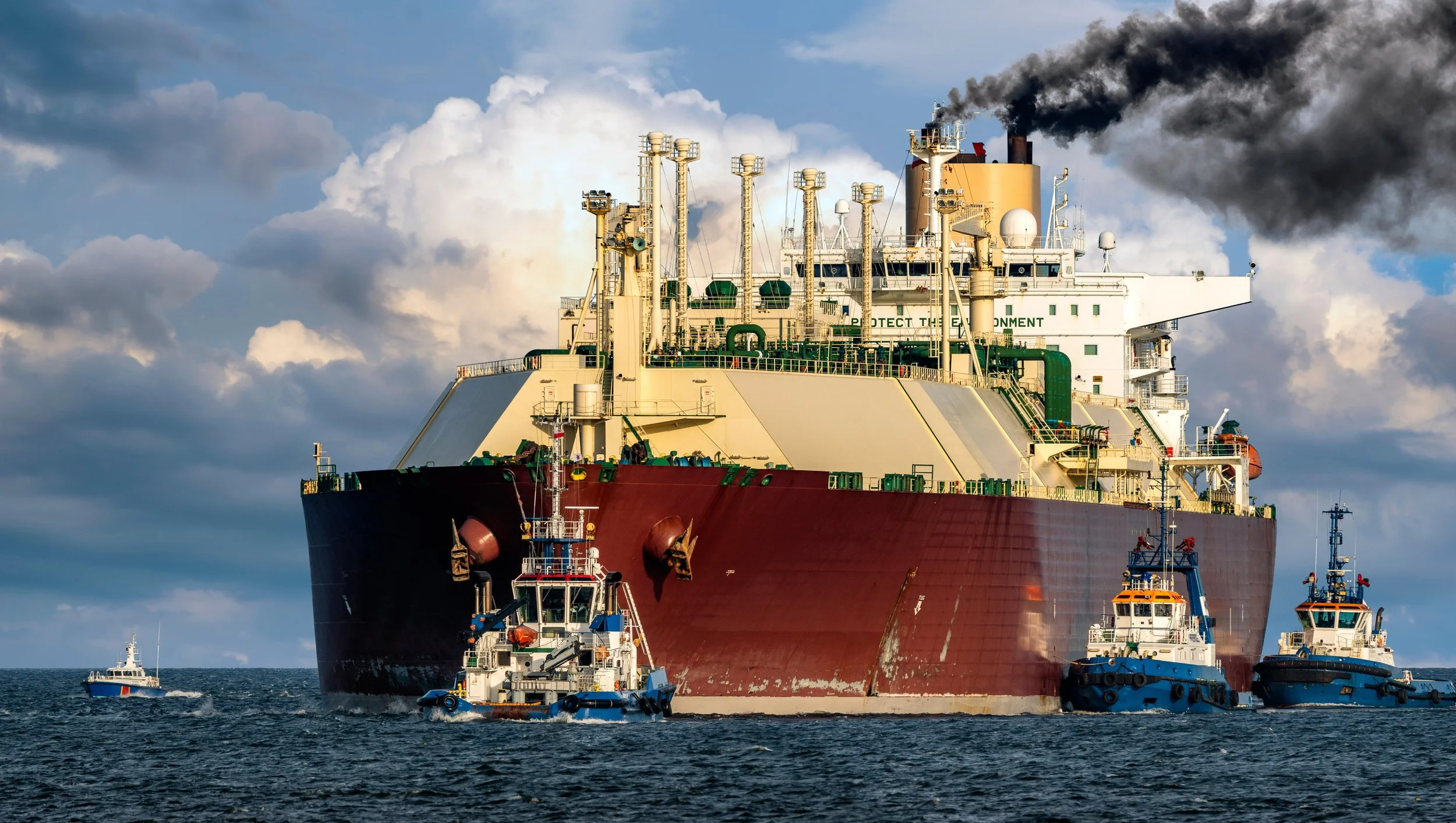
Canadian portfolio of work focused on LNG tanker threats
Central coordination of an expansive network of non-governmental organizations, grassroots organizers, academic institutions, legal and policy experts, and media agencies to clarify the pathway towards maritime decarbonization beyond LNG.
Engagement in the environmental assessment of LNG facilities in British Columbia.
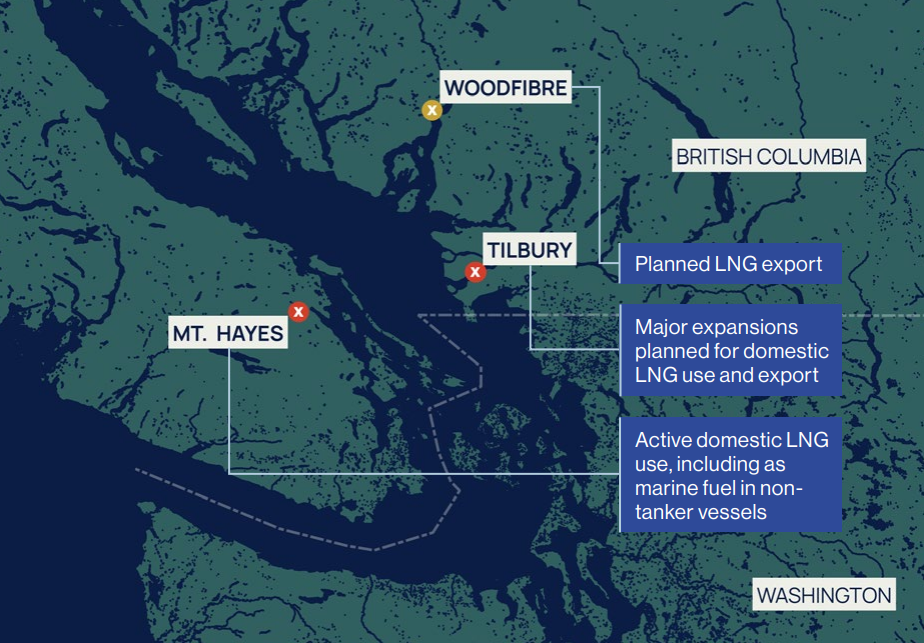
Engagement in the environmental assessment of LNG facilities in British Columbia
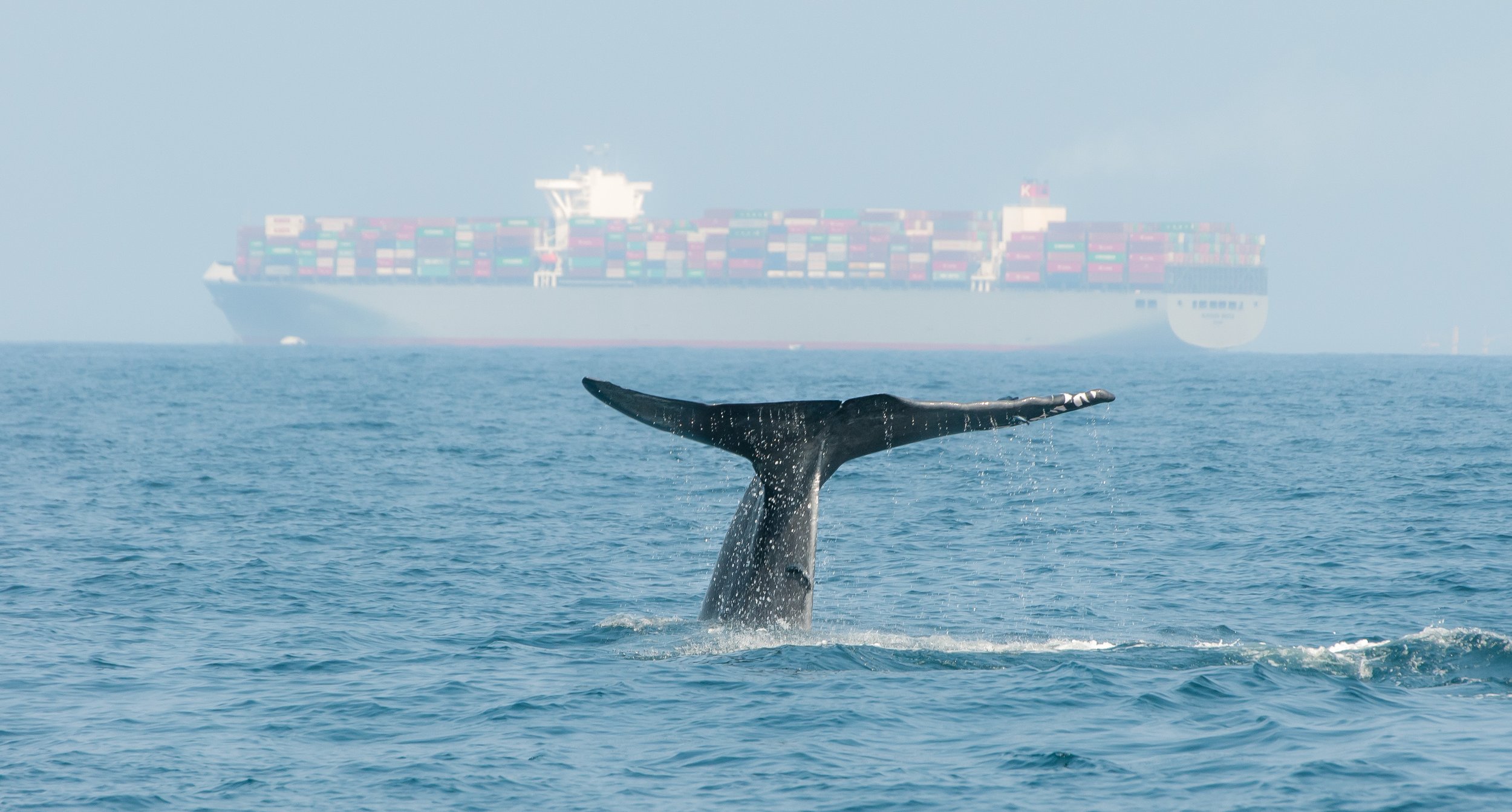
Research and mapping of biodiversity threats linked to LNG tanker expansion

Resources
-
![]()
Maritime Beyond Methane
-
![]()
Biofuels Project