
News & Resources
Category
Join our Team: Researcher (Apply by September 30th, 2026)
We are hiring: Seeking 1-2 detail-oriented researchers to complete publication-quality analysis, reports, and briefs on a variety of topics related to maritime shipping sustainability.
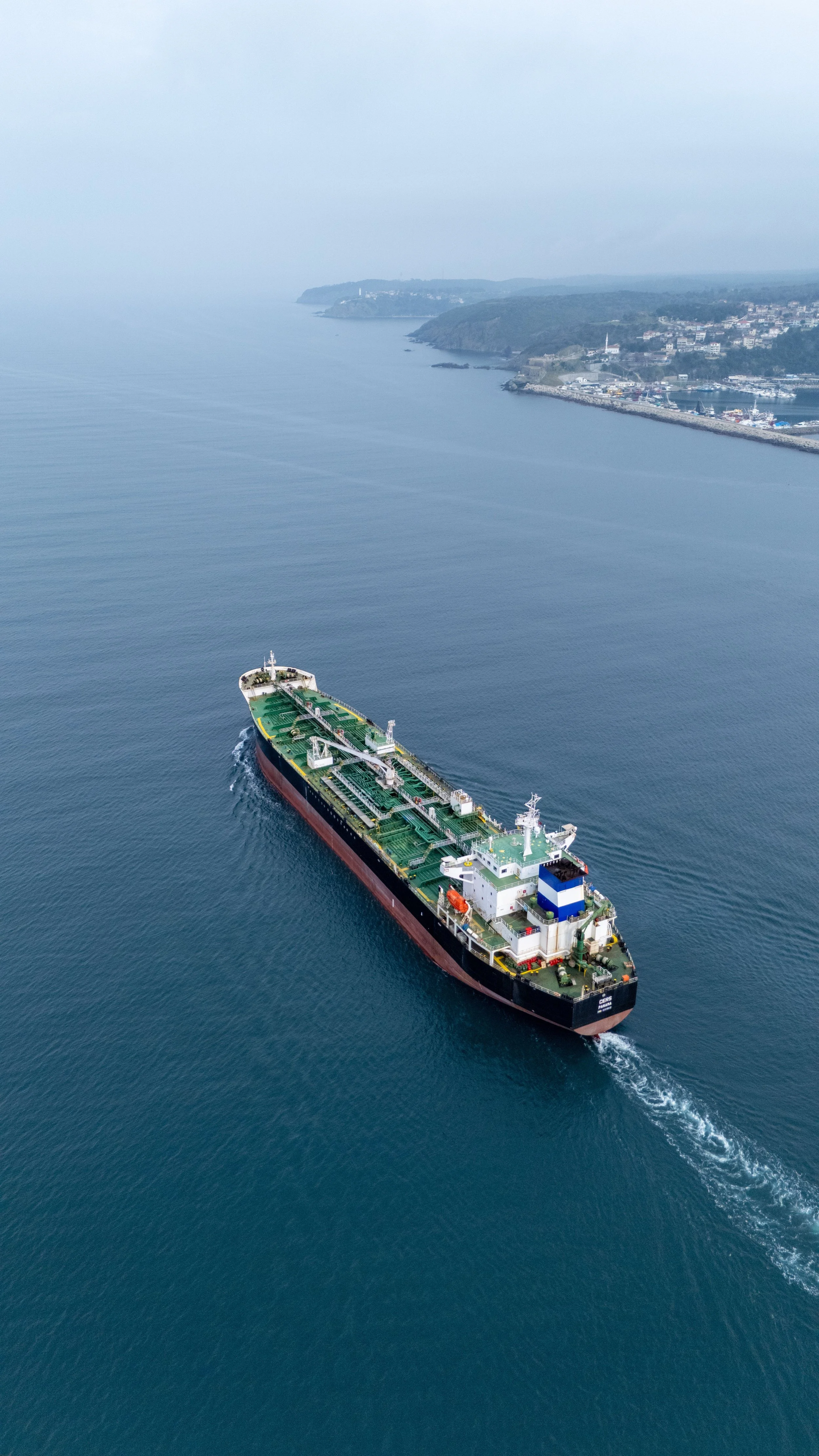
Press Release: New Research Warns That Proposed LNG Terminals in the Gulf of California Could Pose an Invasive Species “Super Spreader” Risk
La Paz, Baja California Sur, Mexico, August 13 — Equal Routes and Nuestro Futuro today released a new issue brief, Invasive Species Risk from LNG Tanker Traffic in the Gulf of California, and a companion animated explainer, warning that proposed LNG export terminals could introduce a wave of ship-borne invasive species into one of the world's most biodiverse marine regions.
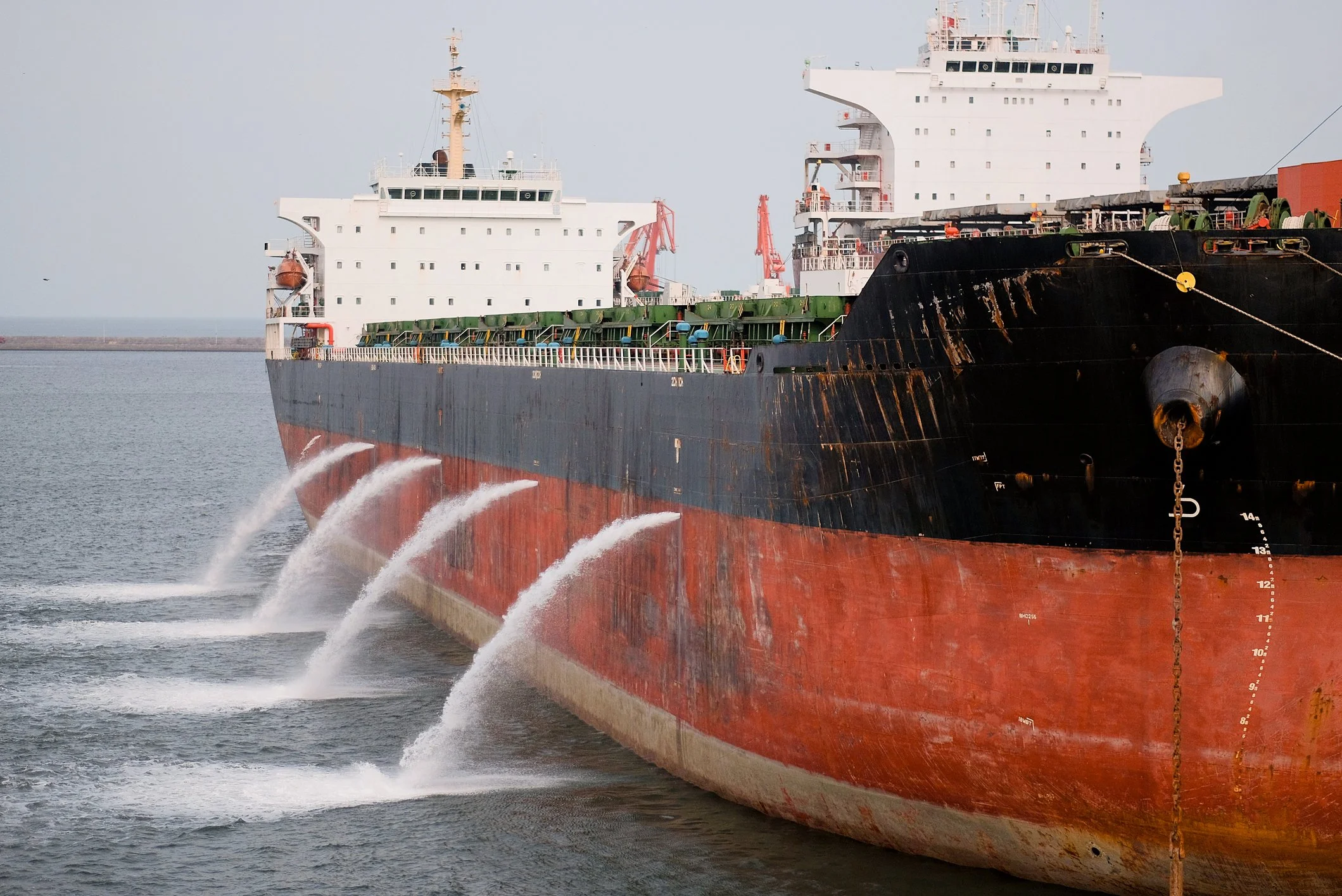
Riesgo de especies invasoras por el tráfico de megabuques de GNL en el Golfo de California
Agua de lastre, bioincrustación y argumentos a favor de la prevención.
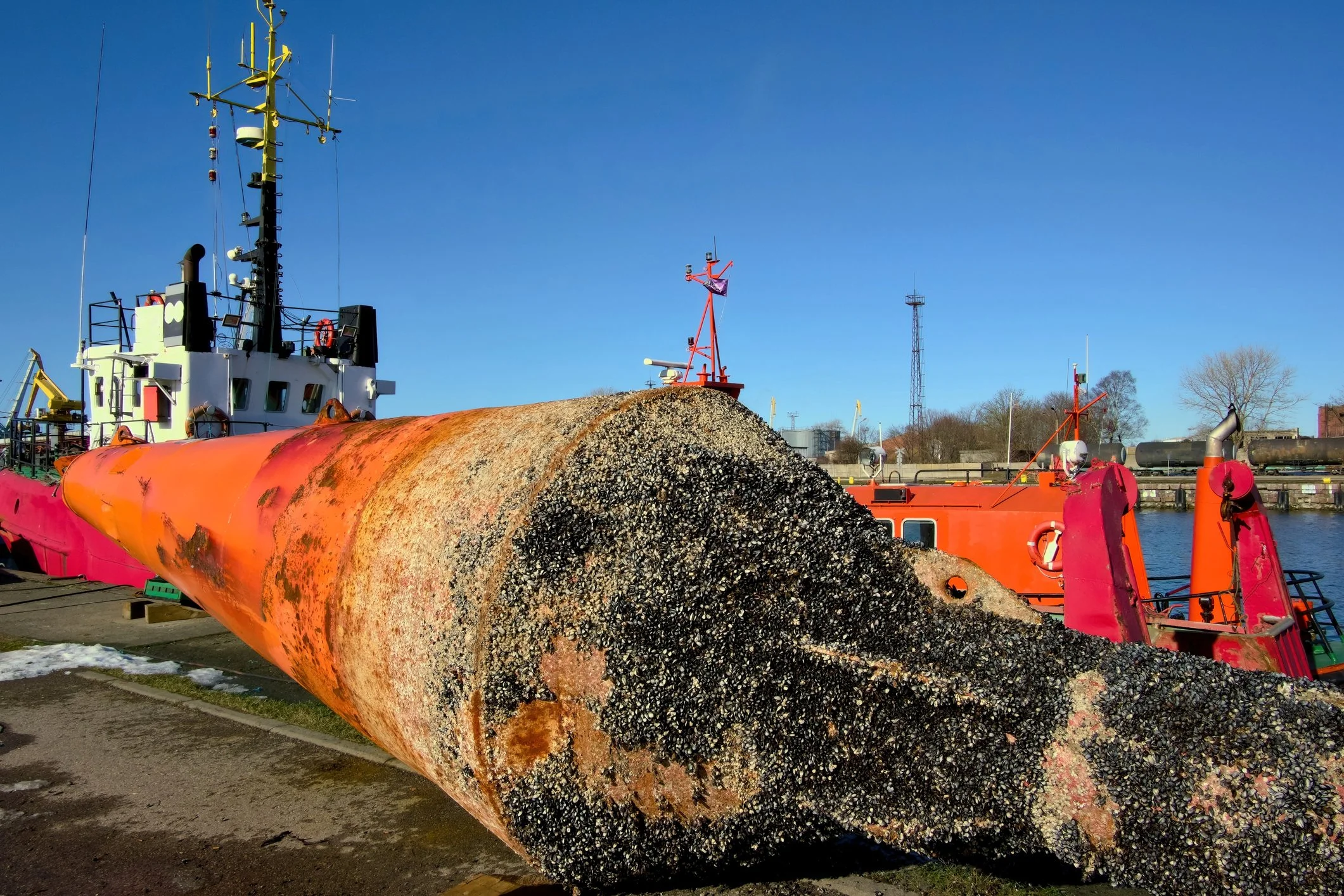
Invasive Species Risk from LNG Tanker Traffic in the Gulf of California
Ballast water, biofouling, and the case for prevention.

The case for the end of scrubbers on ships
Scrubbers allow ships to continue burning the dirtiest marine fuels by ‘scrubbing out’ the sulphur dioxide from its exhaust. However, that scrubbed out sulphur has to go somewhere — and the wastewater from the process is dumped directly into the ocean.
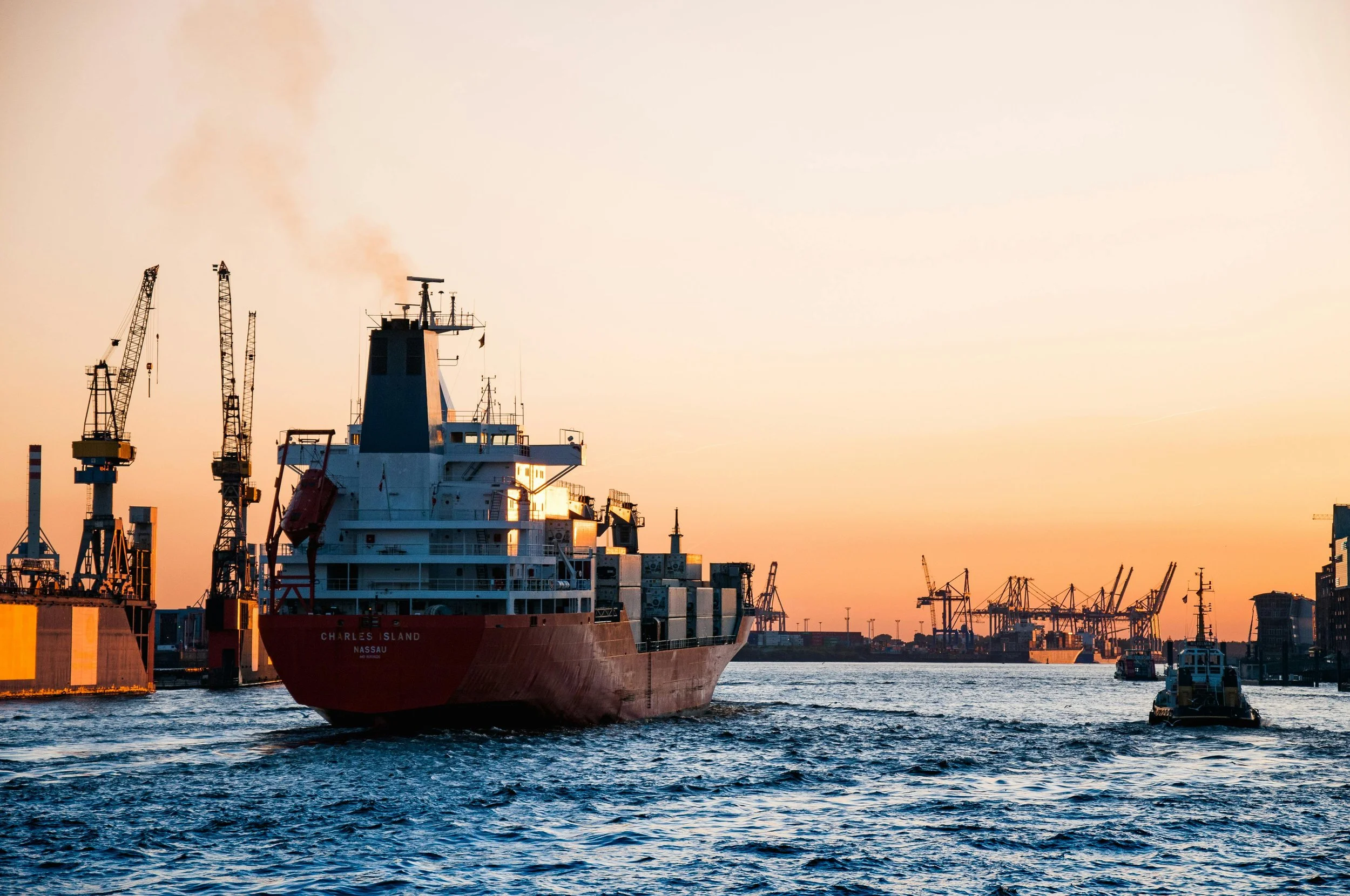
Canada commits public money to LNG infrastructure as Asian demand turns
Before more public money flows into LNG export terminals, LNG-fuelled vessels, or the bunkering infrastructure linking them, the committee, the federal institutions extending credit and guarantees, and the council itself should account for who, in the actual buying countries, will still be there to take the gas a decade from now.
Les exportations de GNL, ainsi que le trafic de méthaniers qui y est associé, ne feront pas du Canada une superpuissance énergétique
Mémoire présenté au Comité permanent des ressources naturelles. Le gaz naturel liquéfié (GNL) est considéré, tant à l’échelle mondiale qu’au Canada, comme une ressource énergétique de grande valeur, présentant un potentiel économique important en tant que produit d’exportation. Nous écrivons pour recommander que, dans le cadre de son étude sur les exportations d’énergie canadiennes, le Comité permanent des ressources naturelles tienne compte des données scientifiques relatives aux impacts du cycle de vie du GNL (1), y compris le trafic de méthaniers, ainsi que des témoignages directs des communautés confrontées à ces impacts.
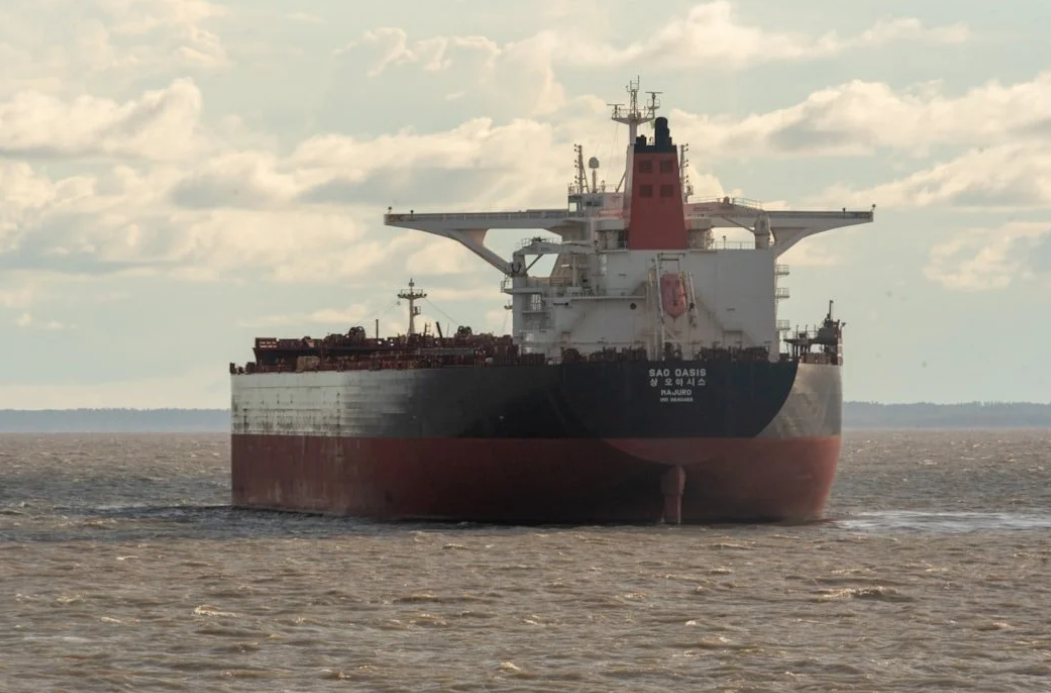
LNG export, and its associated LNG tanker traffic, will not establish Canada as an energy superpower
Brief Submitted to the Standing Committee on Natural Resources by Equal Routes. Liquefied natural gas (LNG) has been positioned globally and within Canada as a highly valuable energy commodity with significant economic potential as an export product. We are writing to recommend that in its study of Canadian Energy Exports, the Standing Committee on Natural Resources consider the scientific evidence of LNG’s lifecycle impacts (1), including LNG tanker traffic, as well as first-hand accounts of communities facing those impacts.
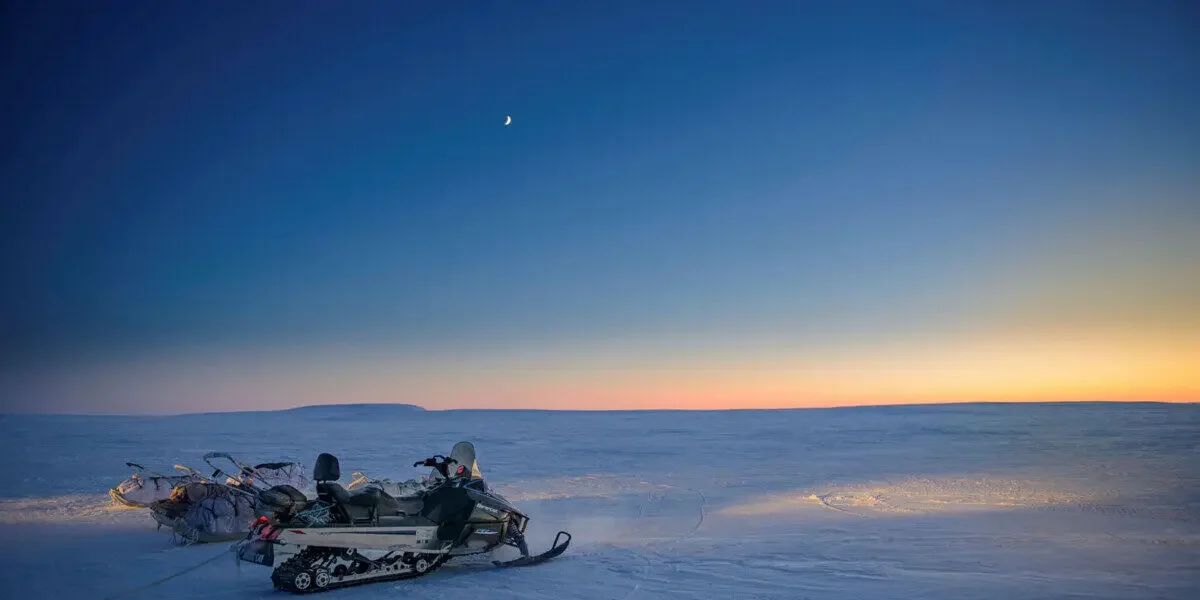
Canada is failing to lead on Arctic shipping’s black-carbon pollution
As an Arctic country with heavy shipping interests, Indigenous reconciliation a priority, and with climate leadership ambitions, Canada’s voice matters a great deal on this issue.
MEPC 84/9: EXPERIENCE-BUILDING PHASE FOR THE REDUCTION OF UNDERWATER RADIATED NOISE FROM SHIPPING
IMO stakeholder perspectives and case studies on reducing underwater radiated noise.
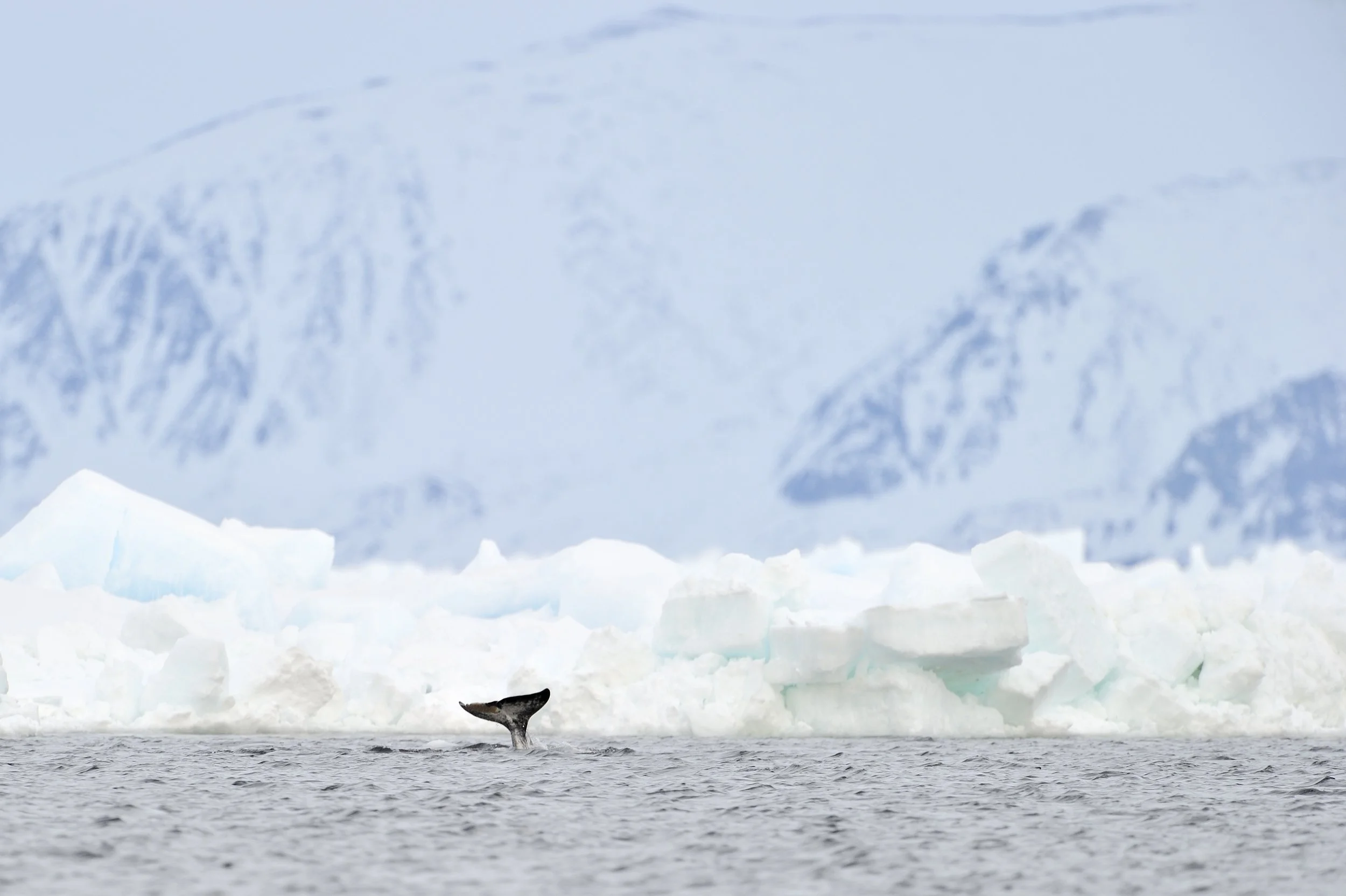
MEPC84-9: IDENTIFICATION AND PROTECTION OF SPECIAL AREAS, ECAS, AND PSSAS
MEPC 84-9: IDENTIFICATION AND PROTECTION OF SPECIAL AREAS, ECAS, AND PSSAS: Strengthening the PSSA framework to improve collaboration with the BBNJ Agreement, and to better address climate, biodiversity and pollution and advance equity in ocean governance.
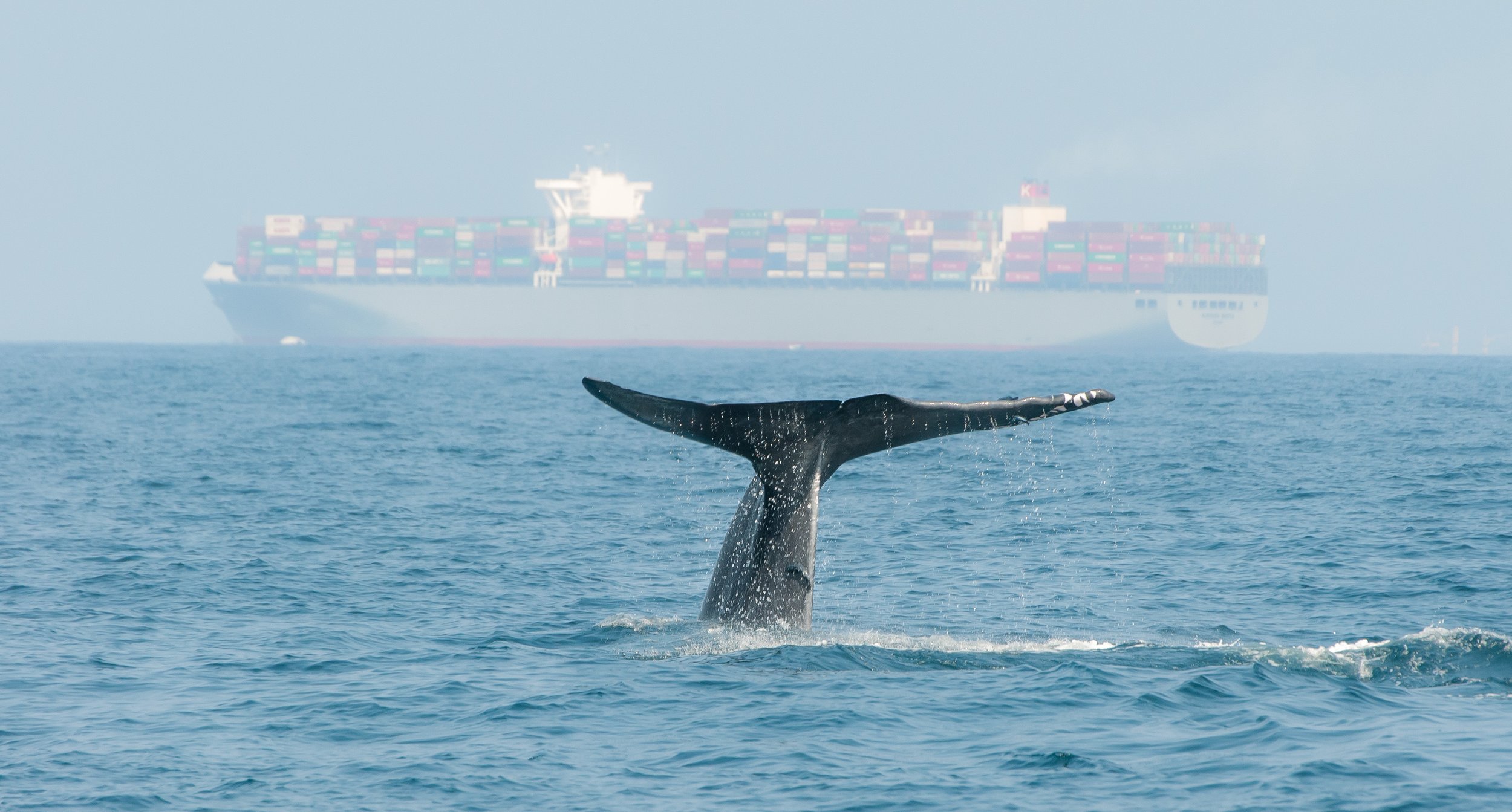
Press Release: New shipping report underscores inevitability of underwater noise regulations, aligned with IMO climate and biodiversity targets
Press release: Ahead of the IMO’s 2026-2027 review of energy efficiency measures and reduction targets, Equal Routes urges action with a new report, Charting the Course to a Quiet Ocean.
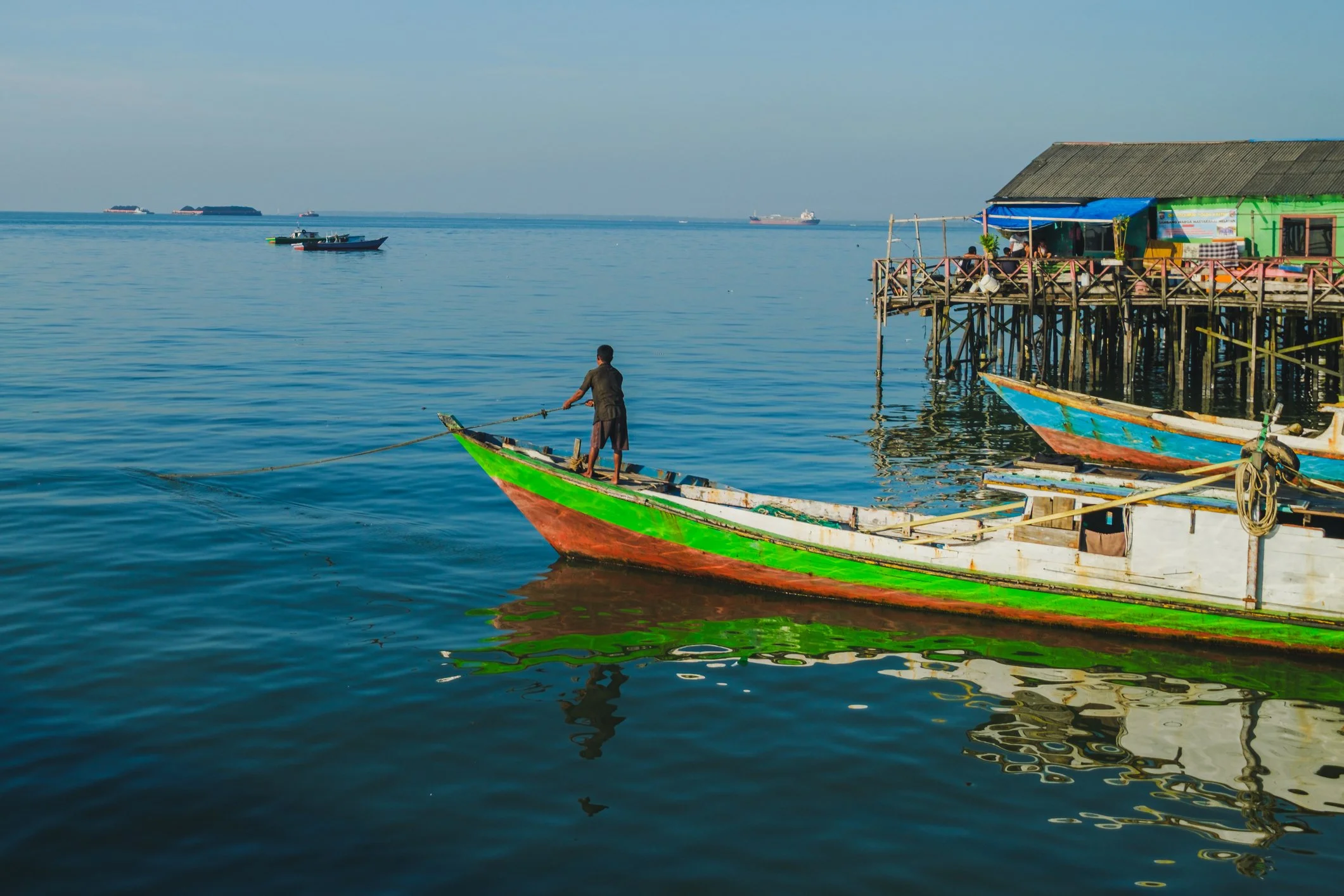
Charting the Course to a Quiet Ocean
Underwater noise levels are rising—yet the shipping sector’s contributions remain under-prioritized by the International Maritime Organization (IMO), the global regulator for international shipping. Ahead of the IMO’s 2026-2027 review of energy efficiency measures and reduction targets, Equal Routes urges action with a new report, Charting the Course to a Quiet Ocean

PPR 13/5/13: Biofouling at the intersection of climate change, pollution and biodiversity loss
Biofouling at the intersection of climate change, pollution and biodiversity loss: A submission for the 13th Session of the Sub-Committee on Pollution Prevention and Response at the International Maritime Organization
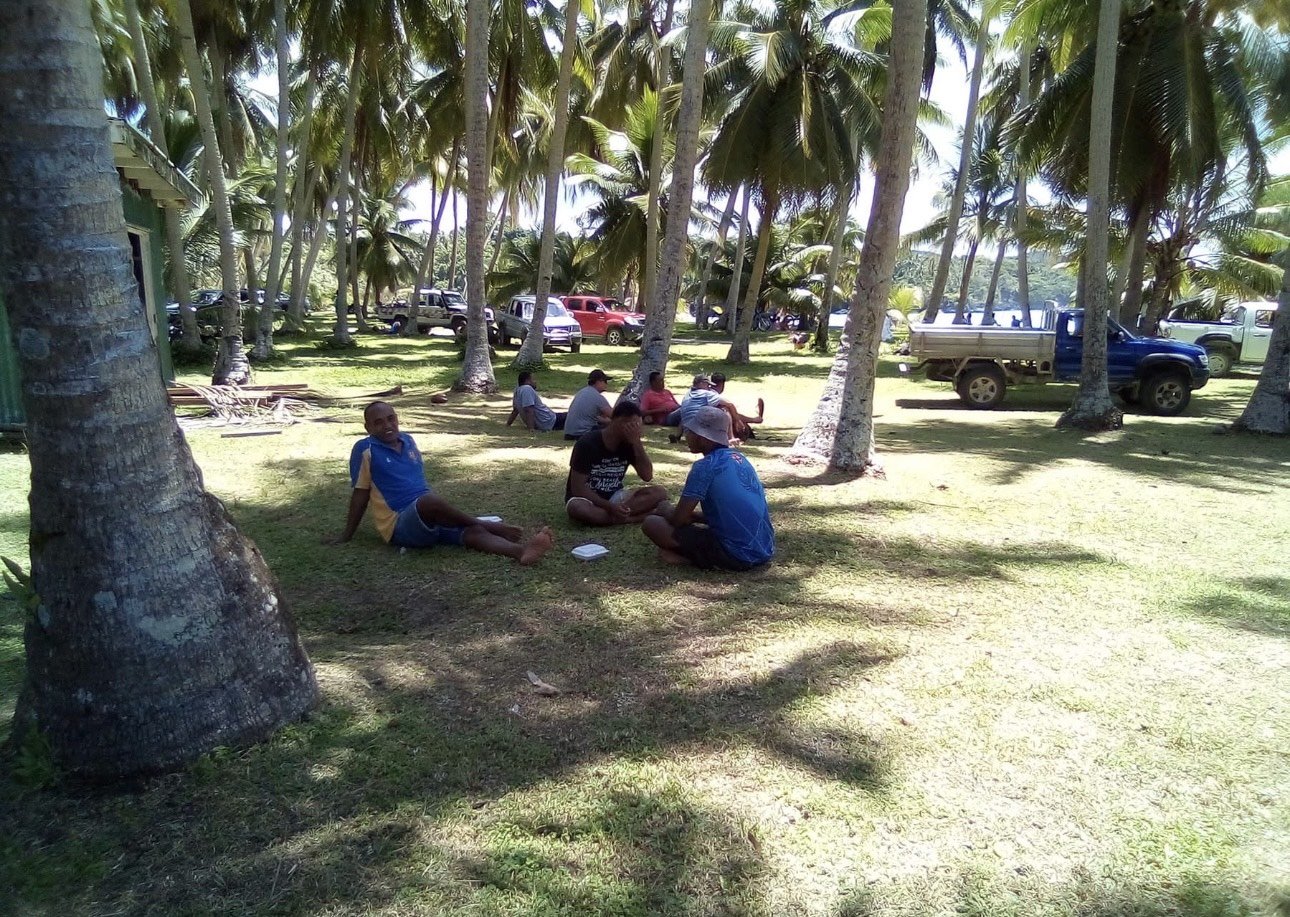
Just and Equitable Transition in the South Pacific
An interview with John Taukäve on sound, shipping, and oceanic leadership. John is a Rotuman and Fijian artist, researcher and advocate, whose work bridges culture and climate leadership. He works as a cultural ambassador and technical advisor for Pacific delegations at the International Maritime Organization. John brings lived experiences of Pacific Island communities, descendants of the world’s most advanced ocean voyagers, into IMO negotiations. This dialogue expands on John’s contribution to the Just Energy Transition (JET) case study featured in Equal Routes’ forthcoming report, Charting the Course to a Quiet Ocean: Stakeholder Insights on Reducing Underwater Radiated Noise.
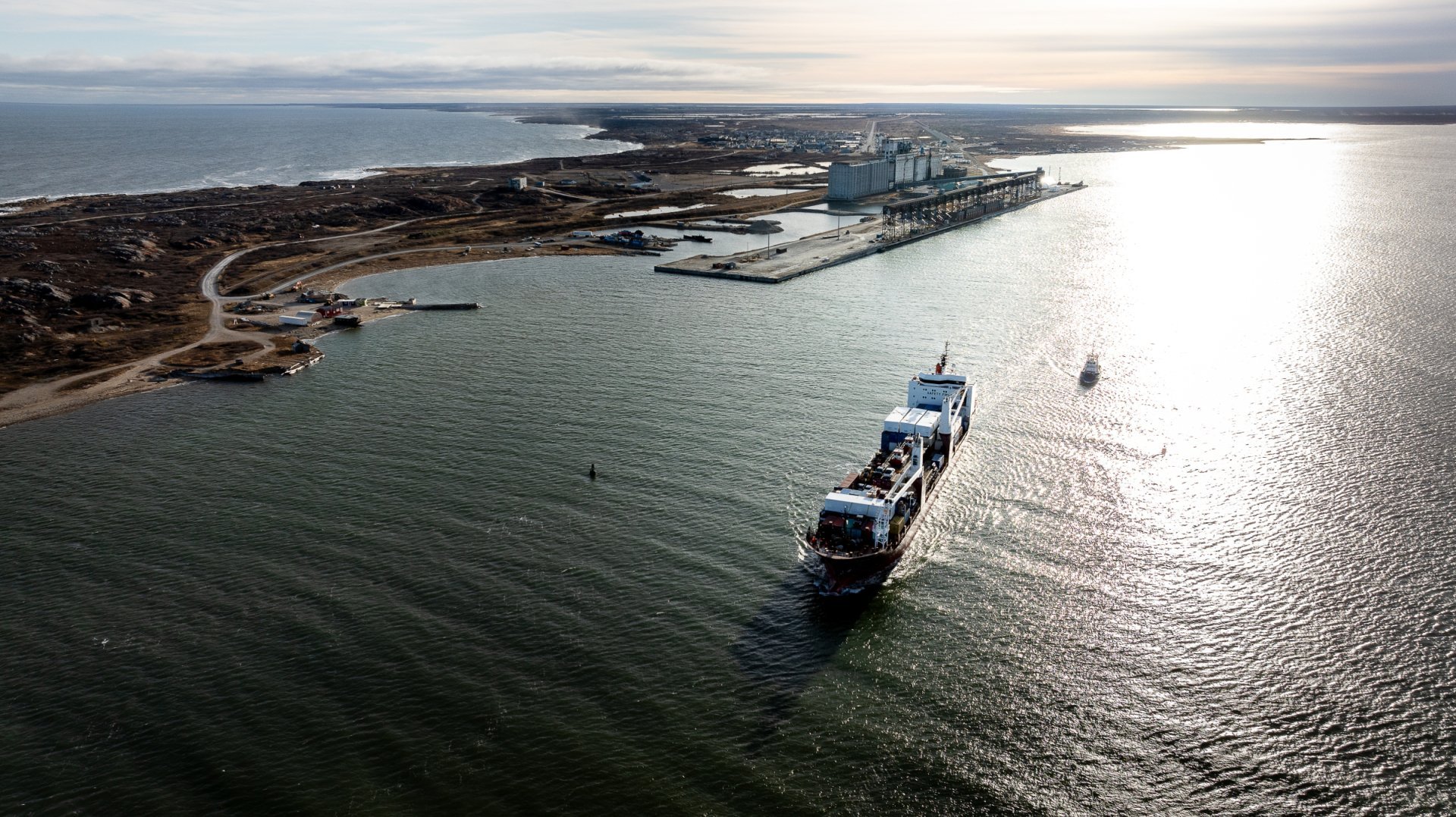
Port of Churchill offers a chance for an Arctic shipping green corridor
Churchill has the potential to chart an ambitious path for Canada: one that prioritizes people and biodiversity over the economic gain of a few, showing how trade and shipping can be structured around local communities, wildlife, and the environment.
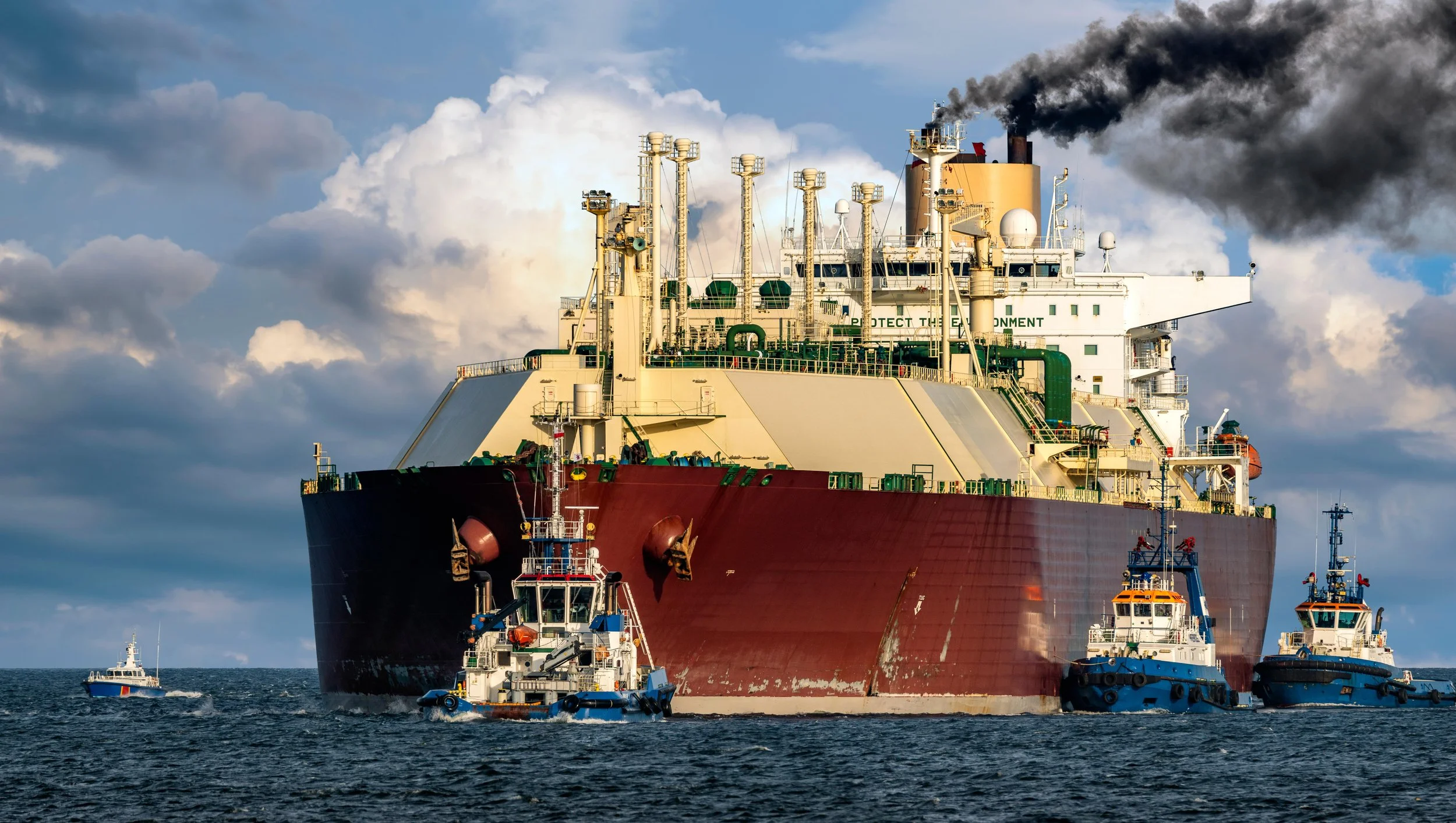
Danish Example Shows Canadian Ships Can Sail Without Ocean-Polluting Scrubbers
Canada has the opportunity to follow Denmark’s decision to ban the discharge of waste from scrubbers– devices installed on board ships to cut air pollution, and from which toxic effluent is dumped into the marine environment.

NGOs Welcome IMO Progress for Cutting Shipping’s Climate Impact Despite Net-Zero Framework Delay
As the IMO’s Intersessional Working Group on GHG Emissions from Ships (ISWG-GHG 20) wraps up in London, the Clean Shipping Coalition (CSC) commends Member States for overcoming last week’s setback and advancing preparations to adopt the Net Zero Framework.

Environmental groups urge Canada to lead after IMO delays vote on shipping emissions
Adjournment of discussions on adoption of Net-Zero Framework at the International Maritime Organization highlights critical need for Canadian leadership

Op-Ed: From BC to the Arctic, Canada must ban scrubber discharge everywhere
Transport Canada's announcement of a new approach to protecting BC's endangered southern resident killer whale population may signal a ban on the dumping of scrubber wastewater in coastal waters, but without expanding the ban along all of Canada's coasts, it likely will just push the problem into waters elsewhere.