
Sail Culture
A sustainable maritime logistic model using wind-powered ships to foster cultural connection and knowledge sharing
Background
Maritime shipping has long been entangled with colonialism and dispossession.
It powered imperial expansion, trade monopolies, forced labor, and the seizure of Indigenous land and sovereignty.
Many communities along oceans and waterways once sustained vibrant sailing traditions and navigational knowledge developed over centuries. Colonialism disrupted these traditions, eroding technologies and cultural continuity.
Today, global shipping systems continue to reflect these legacies prioritizing massive vessels and global commodity chains while marginalizing local networks, regional approaches, and the voices of the communities most connected to the water.
Sail Culture asks us to imagine a different maritime future.
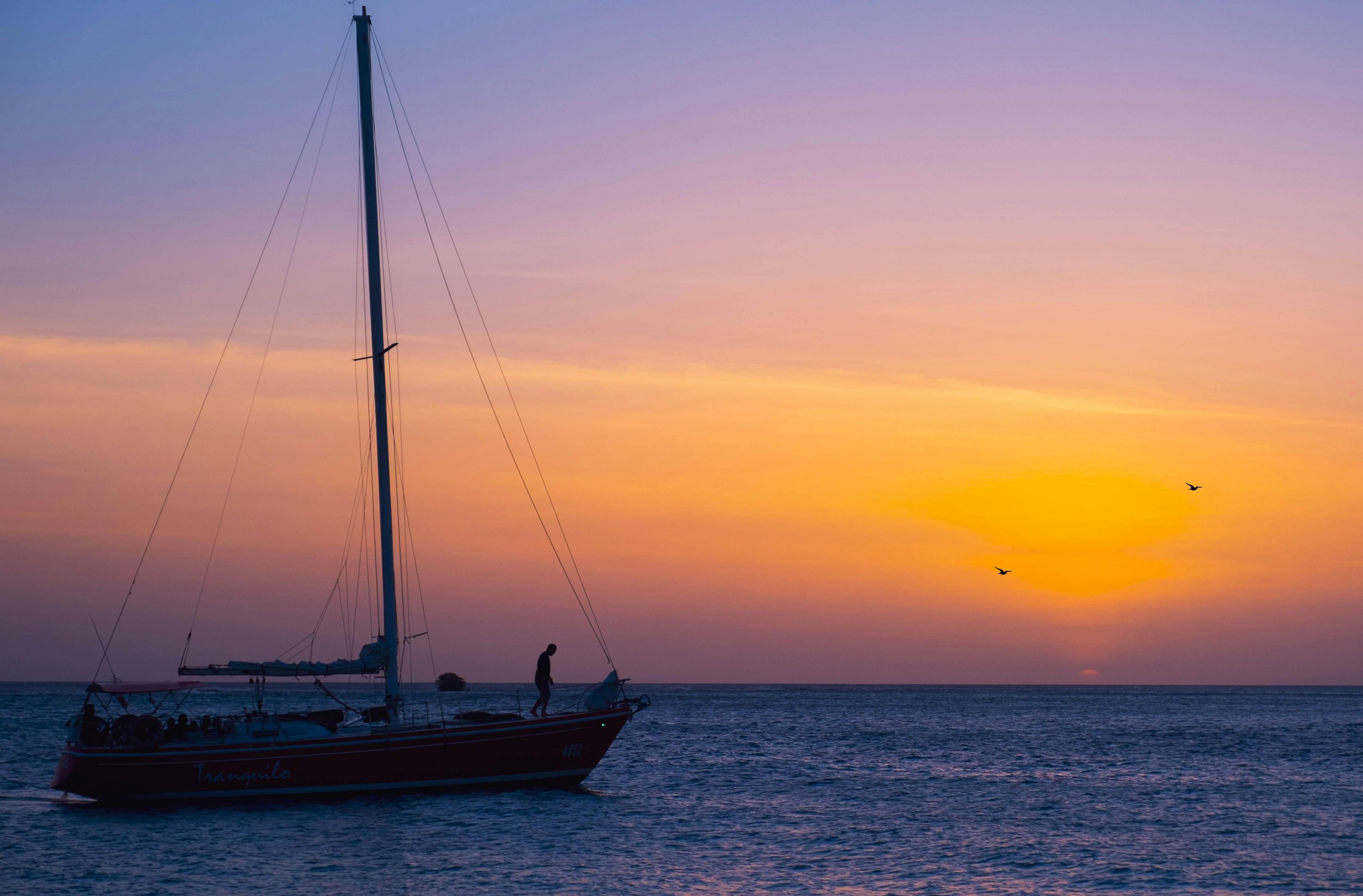

Our Objective
Overhaul shipping culture to reestablish Sail Culture
Instead of relying on a handful of massive ships dominating global routes, a decentralized network would involve large sailboats crossing the oceans, with smaller vessels redistributing goods regionally.

Cultural Connection
Supporting artists and communities. This system is polycultural: decentralized, regenerative and rooted in self-determination.

Knowledge Sharing
Shipping transports traditions and values alongside goods. It bridges socioeconomic divides between the global North and South.

Ecological Responsibility
A decentralized network of large sailboats and small vessels moving according to the potential and limitations of oceanic currents and atmospheric phenomena.
Key Activities
Develop conceptual frameworks, including the current context, its operational model, and a case study of potential regions for implementation.
Engage members of the sail-powered shipping sector through our participation in the Wind Ship Association to refine and strengthen the model.
Advance the model within international maritime policy discussions at the International Maritime Organization.